The Rise of Livestream Shopping in Africa
Livestream shopping didn't arrive in Africa from nowhere — it landed on a continent whose market-selling culture had already been rehearsing it for…
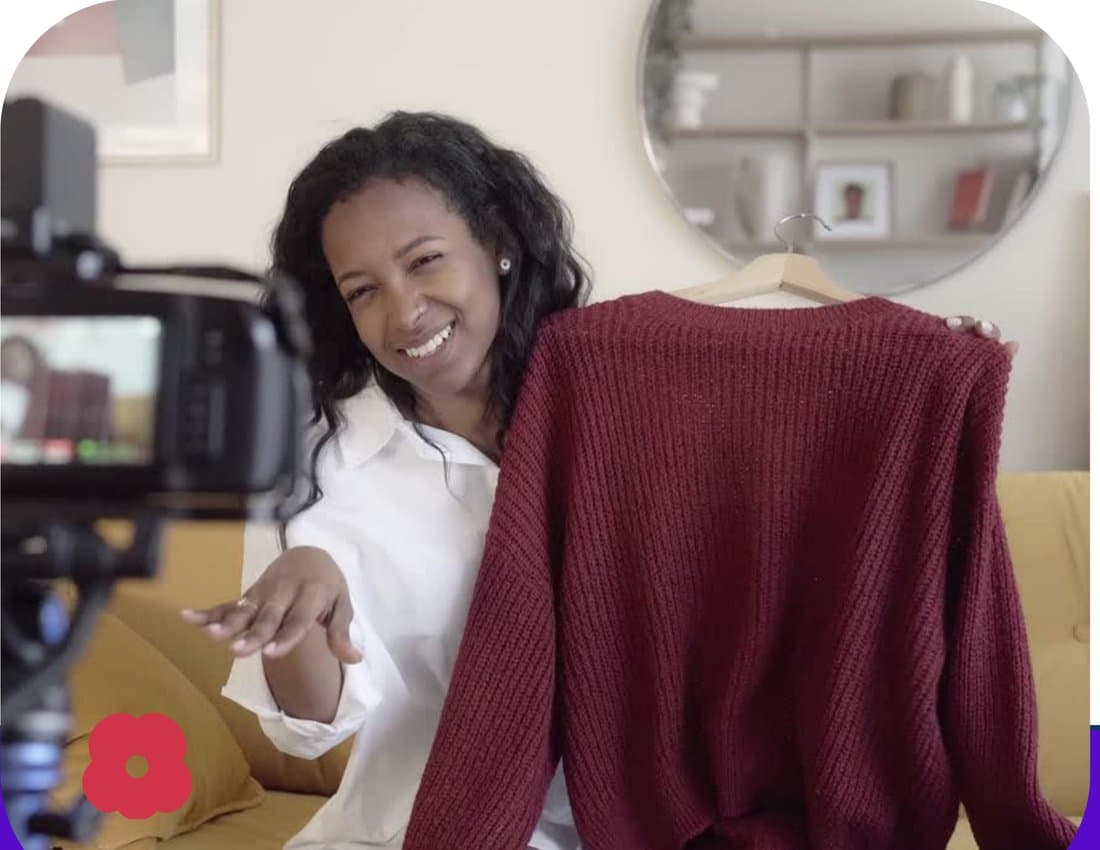
Livestream shopping didn't arrive in Africa from nowhere — it landed on a continent whose market-selling culture had already been rehearsing it for decades, just without a camera running.
How It Started Elsewhere
Livestream commerce as a distinct retail format grew fastest in East and Southeast Asia, where platforms proved that a seller demonstrating a product live, answering questions from viewers in real time, and letting them check out without leaving the stream could outsell traditional e-commerce listings by a wide margin. TikTok Shop LIVE became the clearest example of this working at scale — treating the livestream not as marketing content but as the actual point of sale.
Why Africa's Path Looks Different
Africa didn't need to be taught the theatre of live selling. Walk through any major Nigerian, Kenyan, or Ghanaian market and you'll see the same behavior livestream commerce is trying to digitize: sellers calling out prices, demonstrating fabric quality or produce freshness in front of a crowd, negotiating openly, building trust through visible presence rather than a printed price tag. What Africa lacked wasn't the sales instinct, it was the infrastructure — reliable in-stream checkout, affordable streaming costs, and settlement systems that get a seller their money without friction.
Nigeria's Turn
Nigeria is a natural fit for livestream shopping specifically because of how much commerce already happens through phones and social apps rather than physical retail chains. High social media usage, comfort with mobile payments, and a retail culture built on relationship and negotiation all point the same direction. What changed the equation is platforms finally building for it locally — Nigerian settlement instead of routing through foreign payment rails, Nigerian delivery expectations instead of assuming a courier network that doesn't exist yet, and event formats timed to when Nigerians are actually buying.
What Makes It Stick Beyond the Hype
A livestream event is easy to make exciting for one weekend; the harder problem is making it stick as ongoing behavior. That depends on three things holding up after the cameras turn off: buyers actually receiving what they paid for on time, vendors actually getting paid without delay, and the selling relationship continuing after the stream ends rather than resetting to zero. The Bifixit National LIVE Trade Fair, running Saturday 12 to Sunday 13 December 2026, builds around all three — 24-hour delivery targets for same-city orders, direct settlement for Nigerian buyer payments, and a shop and slot replay that stay live and sellable long after the event weekend closes, so the momentum from one live moment doesn't evaporate on Monday morning.
A Concrete Comparison: Market Stall vs Livestream Slot
Think about a fabric seller in a physical market. She calls out to passersby, unrolls a length of Ankara so the color catches the light, tells a regular customer the new print just arrived, and negotiates a price down slightly for someone buying enough for two outfits. Every part of that is livestream commerce already, just without a phone recording it and without a checkout button attached. Move that same seller onto a livestream slot and the mechanics barely change — she's still calling out prices, still unrolling fabric for the camera instead of the crowd, still negotiating in the comments instead of in person. What changes is reach: instead of the twenty people walking past her stall in an hour, she's in front of everyone tuned into her slot, plus anyone who watches the replay afterward.
What Held It Back Before Now
If the sales instinct and the buyer appetite were both already there, the obvious question is why livestream commerce took this long to arrive at scale in Nigeria specifically. The honest answer is infrastructure, not culture. Streaming reliably at a cost a small vendor can absorb, checkout that settles in naira without routing through a foreign payment processor and its fees, and delivery networks that can actually hit a same-city promise — none of that existed in a form built for a market trader rather than a large retailer. Platforms charging per-minute or per-viewer streaming fees made livestream selling viable only for vendors big enough to absorb the cost regardless of whether the stream converted. A platform with zero per-minute or per-viewer fees, built on its own self-hosted livestream infrastructure, removes exactly that barrier — the vendor's cost doesn't scale against how long they talk or how many people are watching.
Common Mistake: Treating Livestream Like a Photo Post With Extra Steps
Vendors new to livestream selling often make the same mistake: they treat the stream like an Instagram post that happens to move, reading out prices from a list without actually demonstrating anything or engaging with comments in real time. That misses the entire advantage. The reason livestream outsells a static catalog listing is the same reason the market stall works — visible presence, live answers, and a demonstration a buyer can trust more than a description. A vendor who just reads a price list on camera has given up the one advantage livestream has over the photo post it's replacing.
Bifixit National LIVE Trade Fair
Saturday 12 – Sunday 13 December 2026
Register your shop before 1 November for the ₦100,000 early-bird rate.
Register as a Vendor →Africa wasn't catching up to livestream commerce — livestream commerce was catching up to how Africa already sells.
Ready to start your own shop?
Tell us what you sell. Get a priced catalog and a shop link in minutes.
Start selling free →