Online Trade Fair Nigeria 2026: The Complete Guide
A full look at how online, livestream-native trade fairs work in Nigeria in 2026, using the Bifixit National LIVE Trade Fair as the case study.
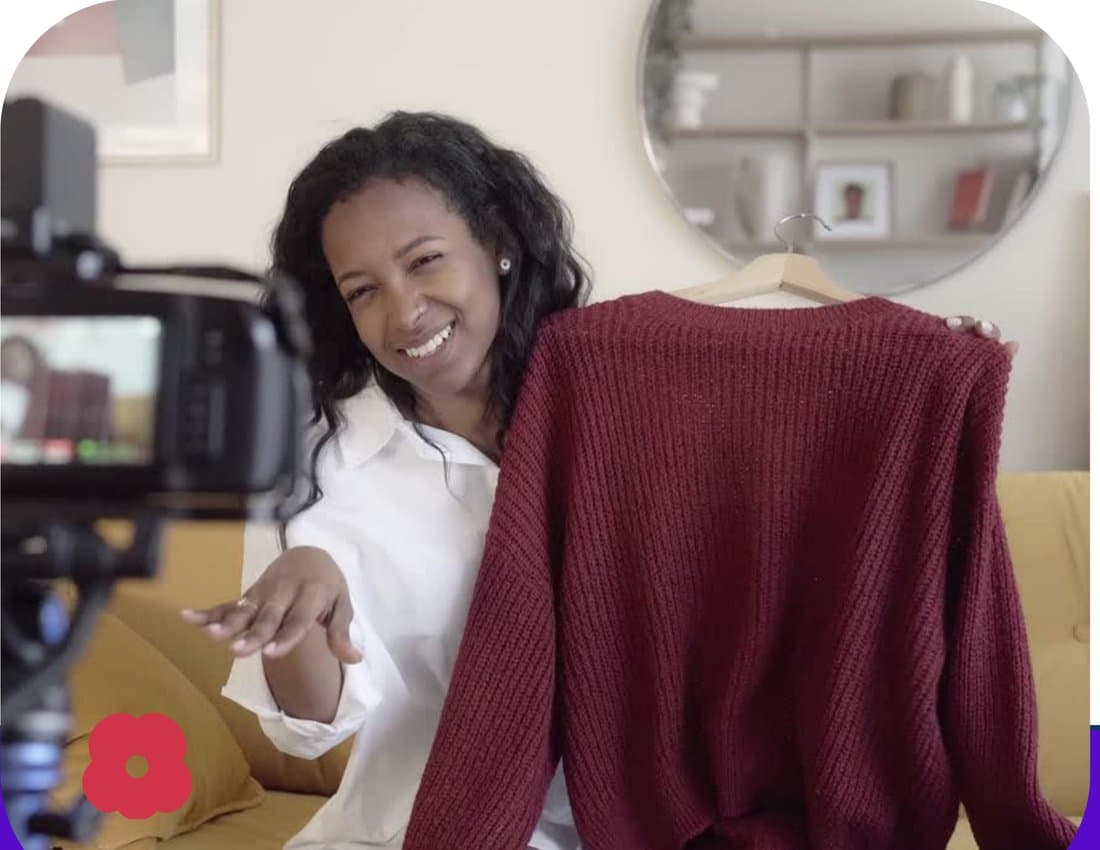
Search \"trade fair Nigeria 2026\" and a few years ago you'd have gotten results for physical expo halls and exhibition centers. That's changing. 2026 is the year an online, livestream-based trade fair format is running at national scale in Nigeria for the first time, and if you're trying to understand what that actually means — as a buyer, a vendor, or just someone trying to figure out where the market is heading — here's the complete picture.
What makes a trade fair \"online\" in the first place
An online trade fair replaces the physical hall with digital infrastructure, but the good ones keep the actual mechanics of a trade fair intact: scheduled vendor participation, defined categories, a fixed event window, and buyers moving between many sellers rather than one storefront at a time. The Bifixit National LIVE Trade Fair, set for Saturday 12 through Sunday 13 December 2026, is built this way — vendors get scheduled live slots across Fashion, Beauty, Electronics, Food & Groceries, Home & Living and more, rather than a static digital catalog standing in for a booth.
The difference between \"online\" and \"livestream-native\"
Plenty of things get called an online trade fair that are really just a website listing vendors with no live component at all — closer to a digital directory than an actual fair. What sets a livestream-native event apart is that buyers watch vendors broadcast in real time and check out inside that broadcast, the same mechanic behind TikTok Shop LIVE. That live, in-stream checkout is the part that actually recreates the energy of a physical fair — the urgency, the real-time questions, the sense of an event happening right now — rather than just moving a brochure online.
What vendors should weigh before registering
Registration for Bifixit's fair is ₦100,000 before 1 November 2026, rising to ₦150,000 after that date, with vendors already on an active paid Bifixit subscription registering free. Beyond the fee, vendors should weigh what's actually included: creative promotional materials like event graphics and caption templates, delivery support, zero per-minute or per-viewer streaming costs thanks to Bifixit's own infrastructure, and automatic cross-posting of go-live moments to Instagram, TikTok and Facebook. Compare that bundle against what a booth at a physical fair typically costs once you add travel, printing and days of staff time — a scheduled live slot from your own location is a materially different cost structure.
Eligibility and compliance, not just cost
Nigerian vendors need a valid CAC business registration number to qualify for priority slot allocation, though international vendors can register too. Anyone selling food, cosmetics, drugs or medical devices needs a valid NAFDAC number — this isn't optional paperwork, it's a category requirement. And every stream has to be genuinely live; looping recorded video instead of broadcasting for real isn't permitted, which keeps the format from being gamed by anyone tempted to fake a \"live\" without doing the work of actually showing up.
What buyers get that a physical fair can't offer
National reach and international buyers are the obvious upside — nobody has to travel to a venue to attend. Less obvious is what happens after the event: the shop and each vendor's slot replay stay live and sellable once the fair ends, meaning discovery doesn't have a hard deadline the way walking out of an expo hall on the last day does. Delivery targets are 24 hours for same-city orders and up to 7 days internationally, with Nigerian buyer payments settling directly — a straightforward transaction, not a workaround.
Where this sits relative to Nigeria's existing trade fair culture
Nigeria already has a long history of large physical trade fairs, and those events still serve a real purpose — face-to-face negotiation, physical inspection of goods, industry networking that a screen doesn't replicate well. An online, livestream-native fair isn't trying to replace that; it's solving a different problem — national and international reach, categories that suit live demonstration well (fashion, beauty, food), and a lower cost of entry for vendors who can't afford to travel and staff a booth for several days.
What to do if you're deciding between online and physical for 2026
If your product benefits from being seen and demonstrated, if your buyers are spread across cities or countries rather than concentrated in one place, or if you're testing a category before committing to bigger physical exhibition costs, a livestream-native online fair is the lower-risk entry point. If your business depends on face-to-face relationship building or heavy machinery buyers need to inspect in person, a physical fair still does something an online format doesn't. For most consumer categories — fashion, beauty, electronics, food, home goods — 2026 is shaping up to be the year online trade fairs in Nigeria stop being a novelty and start being a standard part of the calendar.
Bifixit National LIVE Trade Fair
Saturday 12 – Sunday 13 December 2026
Register your shop before 1 November for the ₦100,000 early-bird rate.
Register as a Vendor →2026 is the year to find out which side of that decision your business is on.
Ready to start your own shop?
Tell us what you sell. Get a priced catalog and a shop link in minutes.
Start selling free →