How to Find Nigerian-Made Products at the Trade Fair
How to spot genuinely Nigerian-made goods among the vendors at Bifixit's LIVE Trade Fair, category by category, and why it's worth the extra question.
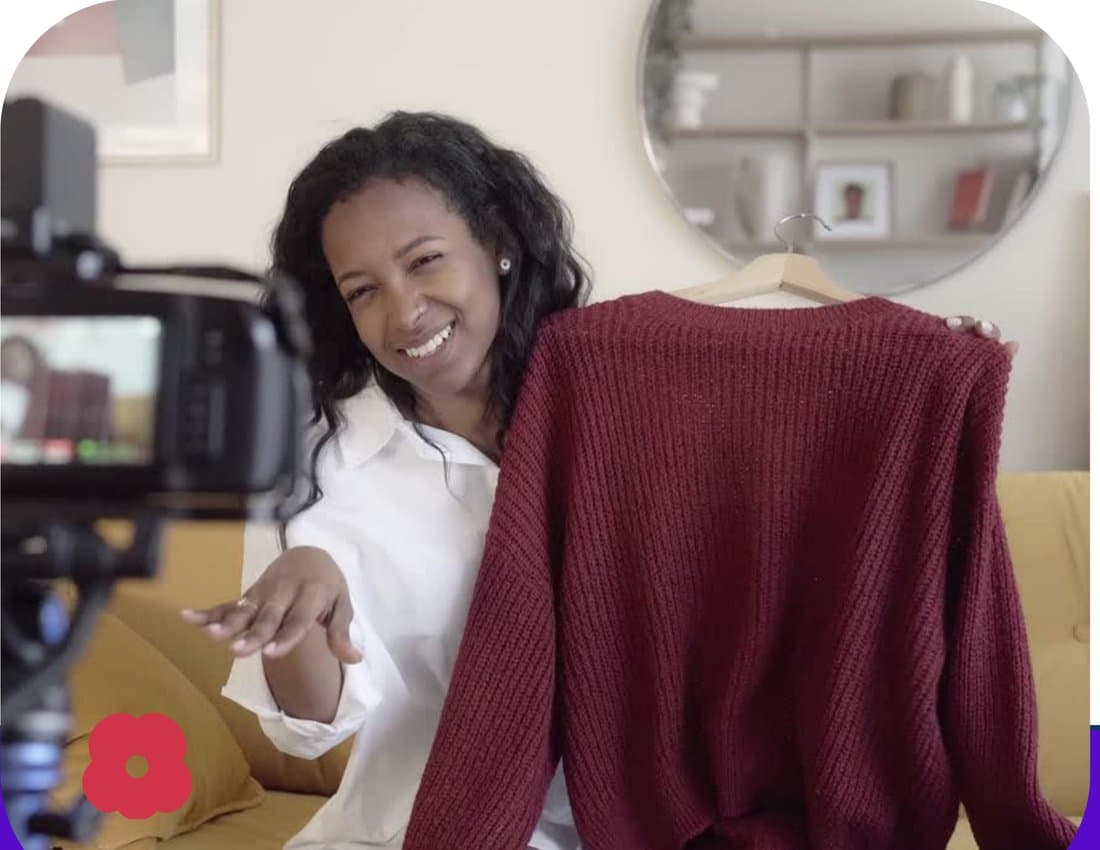
Not every vendor at a trade fair is selling something made in Nigeria, and there's no reason to assume otherwise — plenty of sellers stock imported goods, and that's a normal part of any marketplace. But if buying Nigerian-made is specifically what you're after, the Bifixit National LIVE Trade Fair actually makes that easier to find than a regular online store would, because you can ask directly and watch the answer happen in real time.
Why Nigerian vendors are especially well represented here
Nigerian vendors with a valid CAC business registration number get priority slot allocation at the trade fair. That's a structural detail worth knowing as a buyer: it means the scheduling itself is weighted toward Nigerian-registered businesses rather than treating every applicant identically regardless of where they're based. International vendors can register too, so the event isn't Nigerian-only, but the priority given to CAC-registered sellers means a genuine concentration of homegrown businesses across the two days.
Where Nigerian-made tends to show up strongest
Fashion
Ankara and adire fabric, locally tailored pieces, and Nigerian shoemakers and leatherworkers are a natural fit for a livestream format — a tailor can hold up a finished agbada or show fabric texture close to the camera in a way a flat product photo never manages.
Beauty
Nigerian-formulated skincare using local ingredients like shea butter and black soap bases has a growing base of small manufacturers, many of whom are the kind of vendor who benefits most from a livestream — they can talk through their own ingredient sourcing directly, which builds a different kind of trust than a label alone.
Food and Groceries
Local food producers — spice blends, snacks, packaged staples — are well suited to demonstrating their product live, and any vendor in this category selling food is required to hold a NAFDAC number, which is itself a useful marker of a legitimate local producer rather than an informal reseller.
How to actually confirm it during a broadcast
Ask directly. A comment as simple as "is this made in Nigeria?" or "where is this manufactured?" gets you a real-time answer from someone who, unlike a store listing, can't just avoid the question by omission. A few more specific follow-ups worth asking:
- "Do you make this yourself, or source it from somewhere else in Nigeria?"
- "What's your NAFDAC number?" — for any food, cosmetic, or medical item
- "What's your CAC registration number?" — if you want to confirm the business is formally registered in Nigeria at all
Why it's worth the extra step
Buying from a Nigerian-made vendor at the trade fair isn't just a one-weekend transaction — since every vendor's shop and slot replay stay live and sellable after the event, supporting a Nigerian producer here means you can keep buying from that same shop link well past December, building an ongoing relationship with a business rather than a single opportunistic purchase.
A note on international vendors in the mix
Because international vendors can register too, don't assume every seller in a given category is automatically Nigerian just because the event is hosted here. The priority slot allocation favors CAC-registered Nigerian businesses, but it doesn't exclude others — so the direct question in the comments remains the most reliable way to know exactly what you're buying and from where.
Electronics and Home and Living deserve the same question
It's easy to assume Nigerian-made only applies to fashion, beauty, and food, but small-batch Nigerian furniture makers, welders, and phone accessory assemblers show up in Electronics and Home and Living too. These vendors are often smaller and less visible than established importers, which is exactly why the livestream format helps — a direct question about where a stool was built or where a phone case was made surfaces a local maker who might otherwise be lost among bigger, imported catalogs.
Following up after the event
If you find a genuinely Nigerian-made vendor you like during the trade fair, following their shop directly is worth more than it seems. Because the shop link and replay stay live and sellable long after 13 December, you're not just supporting one purchase — you're giving a small local manufacturer a repeat customer who found them through a format built to put them on equal footing with bigger, imported-goods sellers during the same broadcast schedule.
Bifixit National LIVE Trade Fair
Saturday 12 – Sunday 13 December 2026
Register your shop before 1 November for the ₦100,000 early-bird rate.
Register as a Vendor →Ready to start your own shop?
Tell us what you sell. Get a priced catalog and a shop link in minutes.
Start selling free →