How Social Commerce Is Changing Nigerian Retail
Instagram, TikTok, and Facebook stopped being ads for Nigerian retailers and became the store itself. Here's what that shift actually looks like on the…
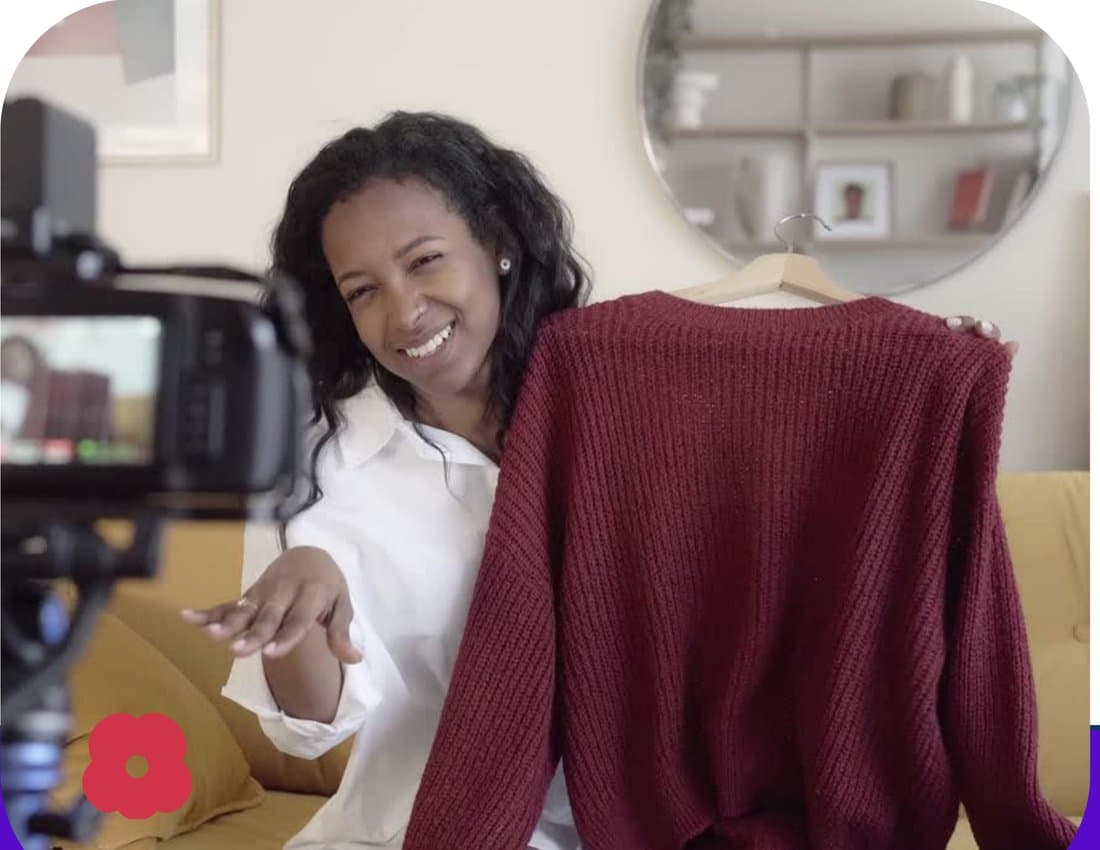
Open Instagram, TikTok, or Facebook Marketplace in Nigeria and you'll find yourself in the middle of a store, not looking at an ad for one. The distinction matters — social commerce hasn't just given retailers a new billboard, it's replaced the billboard with the checkout counter itself.
From DMs to Checkout in the Same Tab
For years, the standard Nigerian social selling flow was: see a photo, comment or DM to ask if it's available, wait for a reply, negotiate, get sent a bank account number, pay, screenshot the receipt, and wait to see if the item shows up. Every step was a place for the buyer to lose momentum and abandon the whole thing. The platforms that are winning now are the ones that collapse that chain — checkout inside the same screen the buyer is already looking at, no separate app, no waiting on a reply that might come an hour later.
Why Nigerian Buyers Trust a Face More Than a Catalog
Nigerian retail has always run on relationship and presence — the market woman who remembers your order, the tailor who knows your measurements without asking. Social commerce didn't invent that trust dynamic, it just moved it online. A seller talking through a product on camera, answering a live comment, showing the stitching up close, replicates exactly the kind of trust-building a static product photo with a price tag never could. That's why video-first selling has outpaced photo-catalog selling so quickly among Nigerian shoppers.
What This Means for Small Vendors
For a small vendor, this shift is genuinely good news. It means the advantage no longer belongs only to whoever can afford a professional product photographer or a big paid ad budget. It belongs to whoever is best at showing up, talking to their audience honestly, and demonstrating their product in real time. A one-person fashion business with a decent phone and a following of a few thousand can now out-convert a bigger competitor who's still posting static catalog images and waiting for DMs.
Where This Is Heading: Live, Not Just Social
The next stage of this shift is livestream specifically, not just social posting. A photo post gets browsed; a livestream gets watched, and watched with intent, the same way people once gathered around a market stall to see a demonstration. Bifixit's underlying platform already gives any seller a priced catalog, a shareable shop link, and a real checkout that settles to their own verified bank account, no coding required — the infrastructure social commerce has been missing in Nigeria specifically.
Where the Trade Fair Fits
The Bifixit National LIVE Trade Fair, running Saturday 12 to Sunday 13 December 2026, is this shift concentrated into one national event: vendors across Fashion, Beauty, Electronics, Food & Groceries, Home & Living, and more broadcasting live at scheduled slots, buyers checking out in-stream, and every go-live moment auto-posting to Instagram, TikTok, and Facebook automatically. It's social commerce's logic applied at national scale, for one weekend that keeps paying off afterward since the shop and slot replay stay sellable long after the event ends.
A Worked Example: The Same Product, Three Formats
Take a single dress, sold three different ways. As a static catalog photo, it gets likes and the occasional DM asking if it's still available, most of which go nowhere. As a short video post showing the fabric move, it gets more engagement and a few faster DM-to-sale conversions. As part of a livestream slot, where the seller tries it on, answers a size question from a specific commenter by name, and the buyer checks out inside the same screen without leaving to find a bank account number — the entire chain from question to payment collapses into minutes instead of a back-and-forth that can stretch over days. Same dress, same seller, wildly different conversion depending on which format carries the sale.
Common Mistake: Mistaking Reach for Conversion
A lot of Nigerian vendors chase follower counts and view numbers as the metric that matters, when the format shift that's actually changing retail is about conversion, not reach. A seller with a smaller following who has moved to in-stream checkout is often outselling a seller with a much bigger audience still stuck on the comment-DM-bank transfer chain. The audience size was never really the bottleneck — the number of steps between seeing a product and paying for it was.
What Vendors Get Wrong About Moving to Livestream
The most common hesitation is assuming livestream selling requires production quality most small vendors can't afford — good lighting, a second camera, a script. In practice, the sellers doing best on Nigerian livestream commerce right now are closer to the market woman than to a studio production: minimal setup, direct talking, honest answers to real questions, and a product shown doing what it's supposed to do. The barrier was never equipment. It was platform infrastructure that could handle the checkout and settlement Nigerian sellers actually need, which is the specific gap this format is closing.
Bifixit National LIVE Trade Fair
Saturday 12 – Sunday 13 December 2026
Register your shop before 1 November for the ₦100,000 early-bird rate.
Register as a Vendor →The store didn't move to social media — social media became the store.
Ready to start your own shop?
Tell us what you sell. Get a priced catalog and a shop link in minutes.
Start selling free →