History of Trade Fairs in Nigeria and the Shift Online
From Tafawa Balewa Square to livestream checkout — how Nigeria's trade fair culture moved from a week-long ground event to a screen you never leave.
Walk into any Lagos household built before 2005 and ask about "trade fair," and you'll get a specific memory: buses to Tafawa Balewa Square, the smell of roasted corn outside the gates, a week of walking between stalls selling everything from Ankara bales to generator parts. That's where Nigerian trade fair culture actually started, and it shaped how three generations of Nigerians think about buying in bulk, negotiating face to face, and treating a fair as an annual event rather than something you do every week.
The Grounds Nigerians Grew Up With
The Lagos International Trade Fair, run by the Lagos Chamber of Commerce and Industry at the Tafawa Balewa Square complex, is the one most Lagosians remember. Kaduna had its own international trade fair built around the north's textile and agricultural trade. Enugu, Onitsha, Kano, and Aba all developed versions tied to whatever their region traded most heavily — textiles up north, electronics and provisions in Lagos, manufactured goods out of Onitsha's markets. These fairs ran for one to two weeks a year, and for a small manufacturer or importer, that week was often the single biggest sales window on the calendar.
Why the Physical Model Started Creaking
A stand at a major trade fair was never cheap, and it got more expensive every year — space rental, security, generator diesel, staff accommodation if you were traveling in from another state, and stock you had to move in advance without knowing how much would actually sell. A vendor from Aba selling shoes to a Lagos audience had to ship goods, rent a van, house staff for the week, and hope foot traffic showed up despite Lagos traffic and unpredictable weather. If the fair clashed with fuel scarcity or flooding, the year's biggest opportunity could evaporate. And even a well-attended fair only reached people who could physically reach Tafawa Balewa Square that week — nothing for a buyer in Kano, Port Harcourt, or London.
The First Wave Online: WhatsApp and Instagram
Long before anyone called it "social commerce," Nigerian vendors were already adapting. Instagram boutiques in the early 2010s and WhatsApp Business catalogs by the late 2010s let a trader in Yaba sell to a buyer in Abuja without either of them traveling. But this first online wave kept the worst habit of the physical fair: the back-and-forth. Buyer sees a photo, DMs to ask if it's available, waits for a reply, negotiates a price, then moves to a separate app to pay, then hopes the seller actually ships. Every one of those steps was a chance for the buyer to lose interest and close the tab.
From Static Catalogs to Livestream
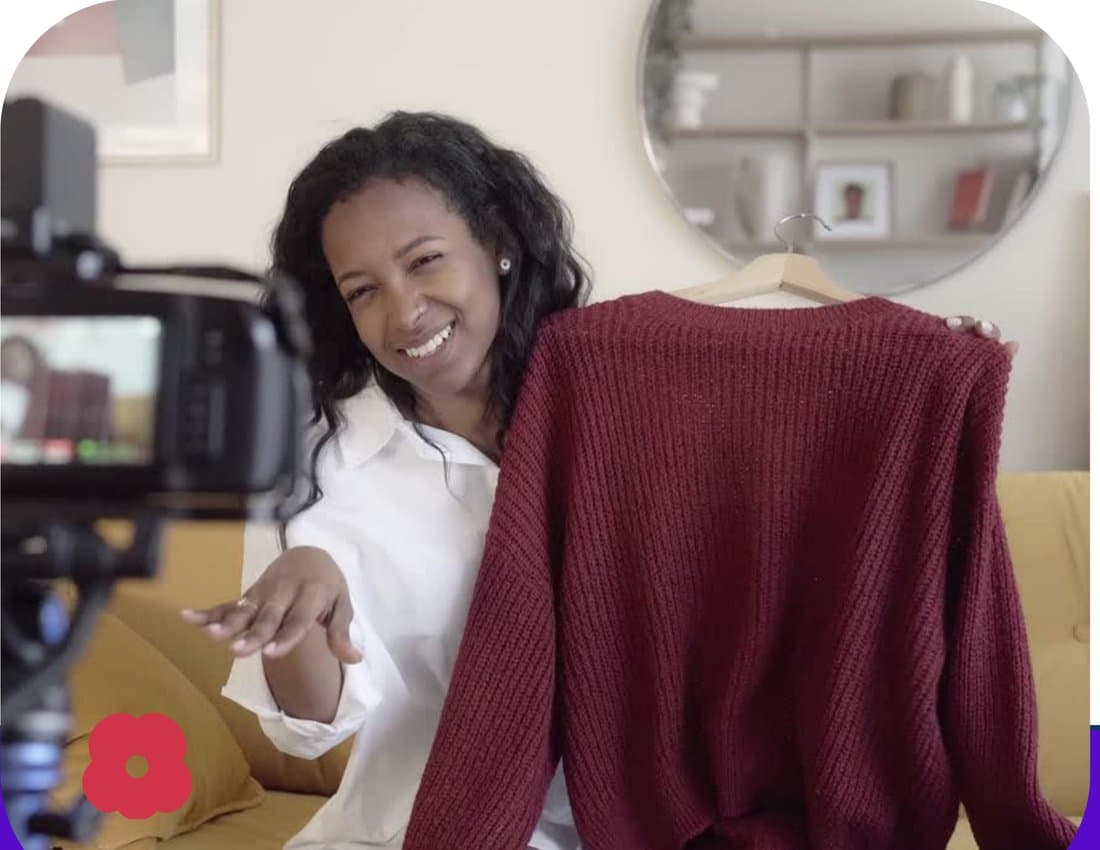
The next shift was showing the product moving — video instead of photos, live instead of pre-recorded. A livestream compresses everything the DM-and-wait model spread across days into minutes: the seller shows the product, answers questions from comments in real time, and the buyer checks out without leaving the stream. It's the same instinct that made TikTok Shop LIVE work elsewhere, and it maps almost perfectly onto how Nigerian market sellers have always sold — calling out prices, demonstrating fabric quality, negotiating in public, building trust through presence rather than a static description box.
Bifixit National LIVE Trade Fair: The Next Chapter
The Bifixit National LIVE Trade Fair, running Saturday 12 to Sunday 13 December 2026, is built for exactly this shift. Vendors broadcast live at scheduled slots across the two days; buyers watch and buy inside the stream, no separate app, no waiting for a DM reply. It keeps what made the old trade fair grounds work — a fixed date everyone anticipates, categories buyers can browse across Fashion, Beauty, Electronics, Food & Groceries, Home & Living, and more, a sense of national occasion — while removing the travel cost, the stand rental, and the one-city limit. A vendor in Onitsha reaches a buyer in Lagos and one abroad in the same slot, and unlike the old one-week fair, the shop and slot replay stay live and sellable long after the event ends.
Bifixit National LIVE Trade Fair
Saturday 12 – Sunday 13 December 2026
Register your shop before 1 November for the ₦100,000 early-bird rate.
Register as a Vendor →The fairground moved from Tafawa Balewa Square to your phone screen — the trade didn't stop, it just found a faster room to happen in.
Ready to start your own shop?
Tell us what you sell. Get a priced catalog and a shop link in minutes.
Start selling free →