The Safest Way to Collect Payment From Strangers Online
Selling to someone you've never met online is always a small leap of trust. Here's how to collect payment safely, without getting burned.
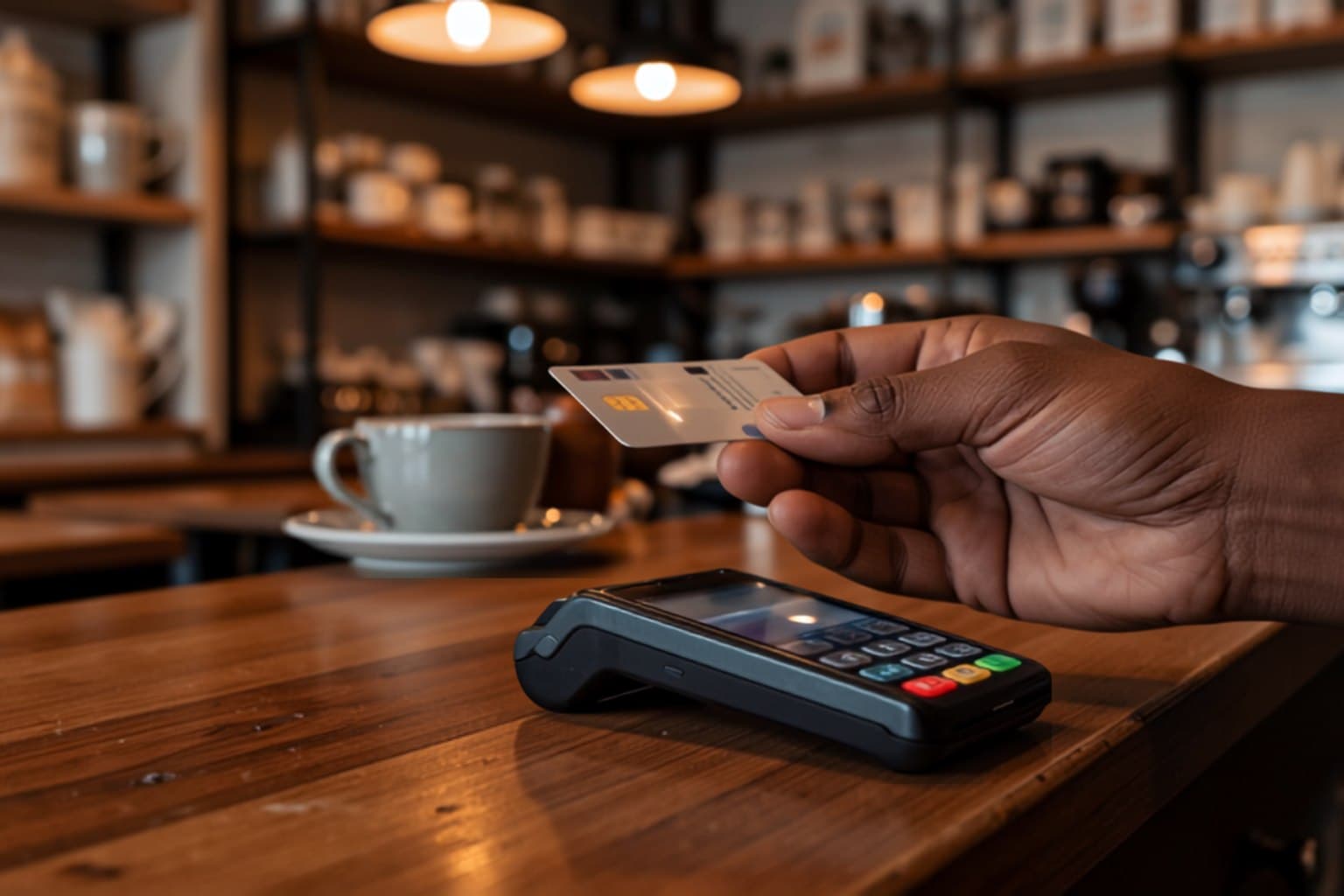
Selling to someone you've never met and will likely never meet in person is now completely normal — that's most of social commerce. But it also means every transaction involves a small leap of trust in both directions: will the buyer actually pay, and will the seller actually deliver? The good news is that the safest way to collect payment from strangers isn't complicated or expensive, it just requires moving away from a couple of habits that feel convenient but quietly carry a lot of risk.
Why send an alert and I'll ship is riskier than it feels
Asking a customer to make a bank transfer and send a screenshot as proof of payment is extremely common across Nigerian social commerce, and most of the time it works fine. The risk is in the exceptions: fabricated payment alert screenshots and doctored SMS notifications are a well-documented scam, and once you've shipped a product against a fake alert, there's no getting it back. There's also no automatic record tying that specific transfer to that specific order, which becomes a real headache if you ever need to prove what was paid, when, and by whom.
Never do this, even if it feels helpful
Never ask a buyer for their card PIN, full card number plus CVV together, or a one-time password (OTP), even if they offer it to speed things along. Legitimate payment processing never requires you, the seller, to personally handle or ask for that information — if a transaction genuinely needs a customer's card details, it should be entered directly into a secure gateway checkout page, not sent to you in a chat. Similarly, never share your own online banking login or OTP with anyone claiming to help you receive a payment faster. Both directions of this mistake are exploited constantly by scammers targeting small sellers. If someone claiming to be from your bank or payment provider calls asking you to confirm an OTP over the phone, hang up and contact the provider directly through their official app or a verified number instead.
The safer pattern: a gateway-backed checkout, every time
The reliable fix for both problems is routing every payment through an actual payment gateway rather than direct person-to-person transfer, whether that's by card or via a verified bank transfer (see our comparison of bank transfer vs card payment for the tradeoffs of each). When a customer pays through a proper checkout link, several protections kick in automatically: the payment is verified in real time rather than relying on a screenshot, card transactions typically go through fraud screening and 3D Secure verification, and you get an unambiguous, timestamped confirmation tied to the exact order. For a full breakdown of how that verification actually happens behind the scenes, see how online payment gateways actually work.
Common scams to watch for as a seller
- Fake payment alert screenshots — a doctored image or SMS made to look like a successful transfer that never actually happened.
- The overpayment refund scam — a buyer claims they accidentally sent too much and asks you to refund the difference, before the original payment (often fake or later reversed) ever clears.
- Chargeback abuse — a buyer pays legitimately, receives the goods, then disputes the charge with their bank claiming they never received it or never authorized it.
- Phishing links — messages pretending to be from your payment provider, asking you to log in or verify your account through a fake link designed to steal your credentials.
Our guide on how to avoid payment fraud as an online seller goes deeper into recognizing and responding to each of these.
What to do if you think you've already been scammed
If you've shipped a product against a payment that turns out to be fake, act quickly rather than absorbing it quietly. Save every piece of evidence: the chat history, the screenshot you were sent, and any account details the buyer used. Report it to your bank if a real account was involved in any part of the interaction, since banks do track repeat offenders across accounts. If the scam happened through a specific social media platform, report the account directly, since most platforms have processes for this even if response times vary. It's also worth sharing the experience, without naming and shaming inaccurately, in seller communities you're part of, since the same scammers frequently target multiple small businesses using near-identical scripts, and an early warning can save someone else the same loss.
Building trust from the buyer's side too
Safety isn't only about protecting yourself — a nervous buyer is also less likely to complete a purchase from an unfamiliar seller. A professional-looking shop link with clear pricing, real product descriptions, and a proper checkout page, rather than a scattered mix of DMs and screenshots, signals legitimacy far more effectively than any amount of reassurance in a chat. Consider it the online equivalent of a clean, well-lit shop with clearly marked prices versus an unmarked stall — both might sell the exact same product, but one earns a stranger's trust faster. This works both ways: it protects you from the scams above while also making strangers more comfortable actually paying you.
How Bifixit removes the guesswork
Every payment collected through a Bifixit shop link runs through a real, licensed payment processor rather than a manual bank alert — Monnify, Flutterwave, or Stripe depending on where you're based. That means there's no such thing as a fake screenshot fooling your order system, no manual reconciliation, and no moment where you have to just trust that a transfer really happened. Confirmation is automatic and tied directly to the order.
If you're currently collecting payment through DMs and screenshots, it's worth the switch. Set up a proper shop link on Bifixit and stop taking that risk on every single sale.
Ready to start your own shop?
Tell us what you sell. Get a priced catalog and a shop link in minutes.
Start selling free →