How Farmers and Agro Sellers Can Start Selling Online in Nigeria
Farm produce is genuinely harder to sell online than most products, but growing urban demand makes it worth solving. Here's a realistic playbook.
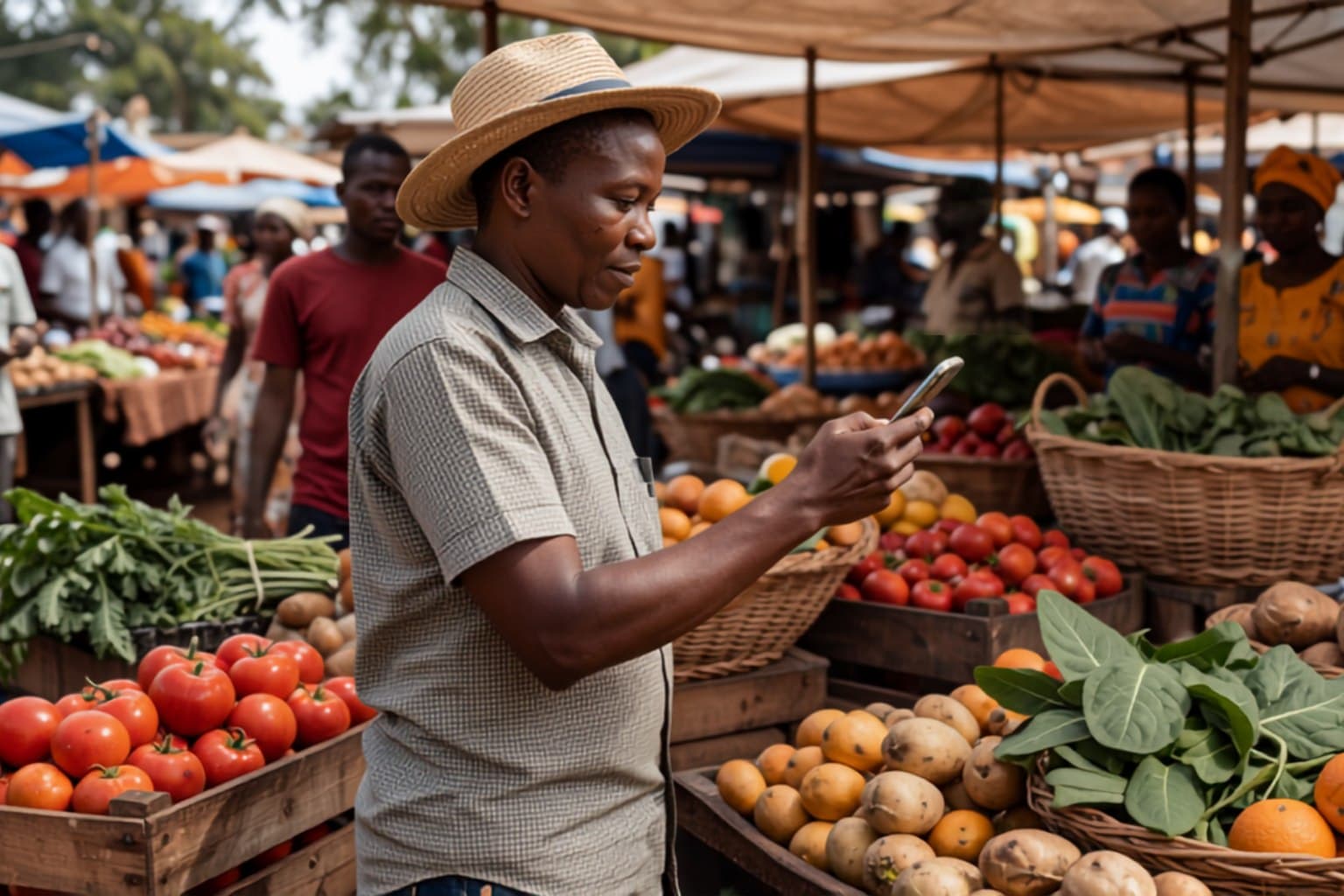
Farm produce is one of the hardest product categories to sell online — perishability, inconsistent informal units, and seasonal supply all work against the neat catalog-and-checkout model that works well for fashion or electronics. It's also one of the categories with the fastest-growing urban demand, as more Nigerians in cities look for fresher, more traceable food sources. Here's a realistic playbook for actually doing it.
Standardize your units — this alone fixes a lot
Informal produce pricing (a "basket," a "paint bucket," a "heap") varies enough between sellers that online buyers, who can't inspect the product before paying, have no reliable way to judge value. Standardize on clear, verifiable units — kilograms, or a consistent, clearly photographed bundle size — so buyers know exactly what they're getting and can compare fairly. This single change reduces disputes more than almost anything else on this list.
Extend shelf life with value-added products
Raw perishable produce is genuinely difficult to ship beyond same-day local delivery. Processing part of your harvest into shelf-stable products — dried pepper, garri, palm oil, honey, smoked fish — solves the shipping problem entirely while often commanding a better margin than raw produce, since you're selling convenience and preparation along with the product itself. This also smooths out the income swings that come with purely seasonal raw produce sales.
Use a pre-order, harvest-day model to cut waste
Rather than harvesting and hoping to sell before spoilage, take orders and payment in advance of a specific harvest or delivery day, then harvest and deliver to match confirmed demand. This dramatically reduces wasted, unsold produce and gives you predictable, plannable income instead of guessing quantities and absorbing the loss on whatever doesn't sell.
Build recurring customers with a subscription box model
Urban buyers increasingly want a reliable weekly or biweekly source of fresh vegetables, fruit, or staples without visiting a market themselves. A simple recurring "produce box" — a fixed or lightly customizable selection delivered on a set schedule — builds the kind of repeat, predictable revenue that one-off produce sales don't, and it's a genuinely underused model in the Nigerian market right now.
Solve delivery with cold-chain-lite solutions
Full cold-chain logistics are expensive and often impractical for a small farm business, but simple solutions — insulated bags, ice packs, and same-day delivery windows via local dispatch riders — meaningfully extend how far you can reliably deliver fresh produce without it arriving wilted or spoiled. Be honest with customers about your realistic delivery radius rather than promising reach you can't actually support without spoilage. See our full guide on dispatch and delivery options for Nigerian sellers.
Aggregate with other local farmers if your own volume is inconsistent
If your own farm doesn't produce enough variety or volume to fill a regular customer's needs, partnering with a few other local farmers to offer a fuller, more consistent range under one combined online storefront can solve the supply consistency problem that would otherwise limit a single small farm's online potential.
Photograph produce like food, not like a wholesale commodity
Bright, appetizing photos — clean produce, natural light, maybe styled with a hint of the dish it could become — perform far better than the flat, market-stall-style photos common in this category. See how to take product photos that sell with just your phone for the exact technique, which applies just as well to fresh produce as to any other product.
Lead with freshness and traceability as your actual edge
Urban buyers choosing to order produce online instead of visiting a regular market are usually paying for freshness, trust in sourcing, and convenience — lead with that story clearly (where it's grown, how recently harvested, how it's handled) rather than competing purely on price against informal market sellers who have lower overhead than you do.
Look into cooperative and government agro support
Programs run through state ministries of agriculture, and initiatives like the Central Bank's Anchor Borrowers' Programme or NIRSAL-backed agricultural financing, exist specifically to support smallholder farmers with financing, inputs, or aggregation support. These programs can be bureaucratic and slow, but combined with a registered business name they're worth investigating, particularly for the aggregation and cold-storage support that's hardest for an individual small farmer to build alone. Local farmer cooperatives often have more up-to-date, practical knowledge of which programs are actually accessible right now than any general online search will surface.
Bundle with complementary food products
Pairing fresh or processed produce with related items — a soup ingredient bundle, a "weekly essentials" pack — increases average order value and reduces the number of separate small transactions you need to process and deliver. This pairs naturally with our broader guide on how to sell food products online in Nigeria.
Farm and agro selling online is genuinely harder to get right than most categories, but the urban demand for fresher, more traceable food sources is real and growing, and there's comparatively little organized competition in this space yet compared to fashion or beauty. A simple store with clear units, honest photos, and a pre-order system solves most of the operational headache. You can set one up on Bifixit and start taking pre-orders for your next harvest with a real, shareable shop link.
Ready to start your own shop?
Tell us what you sell. Get a priced catalog and a shop link in minutes.
Start selling free →